Tag: emotional overwhelm

Dreams or experiences marked by pressure, exhaustion, or emotional flooding — where something becomes too much to hold.

  • What If the Sea Takes It All?

    What If the Sea Takes It All?

    The Dream

    Staying
    in shared accommodation
    on holiday.

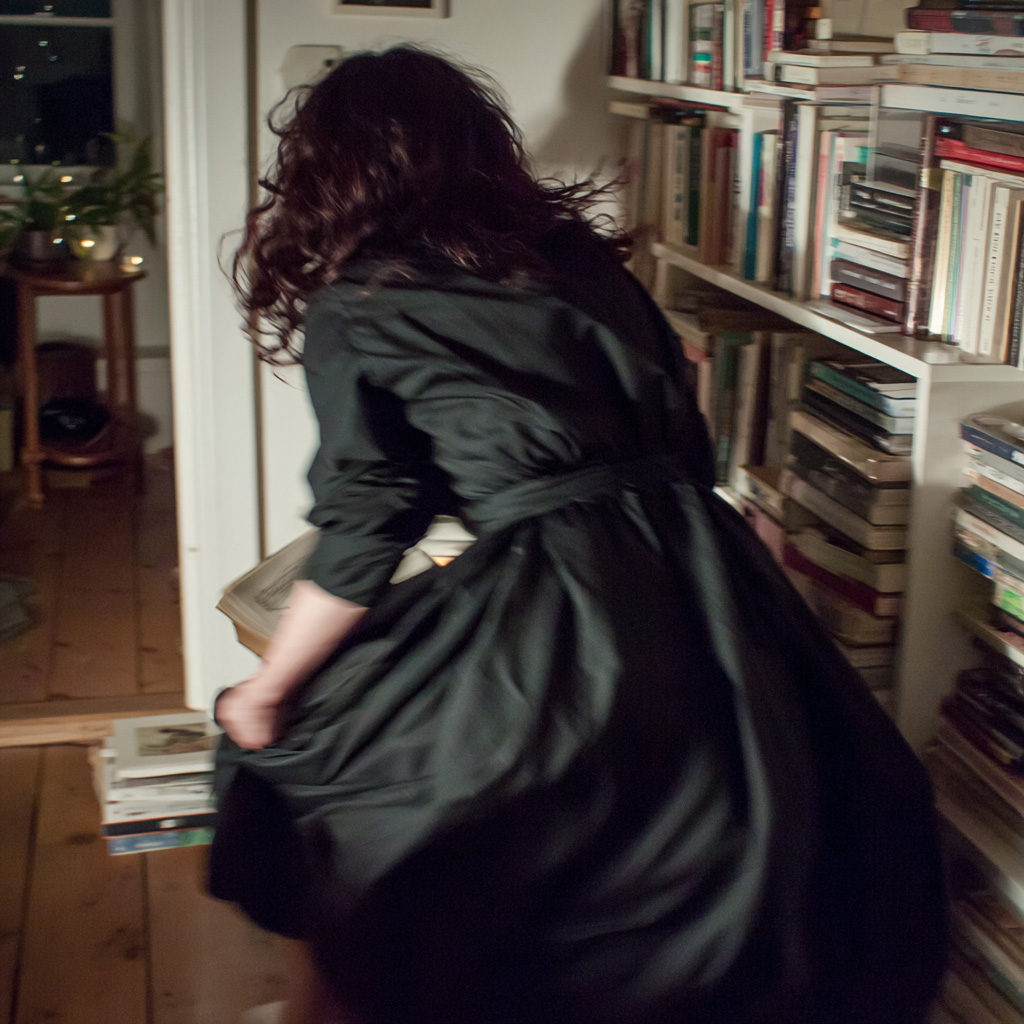
    I was in a rush
    to leave.

    I’d left it too late
    for my onward journey—
    it would be very late
    when I arrived.

    I worried
    about cleaning
    before I left.

    I relaxed
    it was okay—
    others were staying on.

    At my next location,
    the weather
    was glorious.

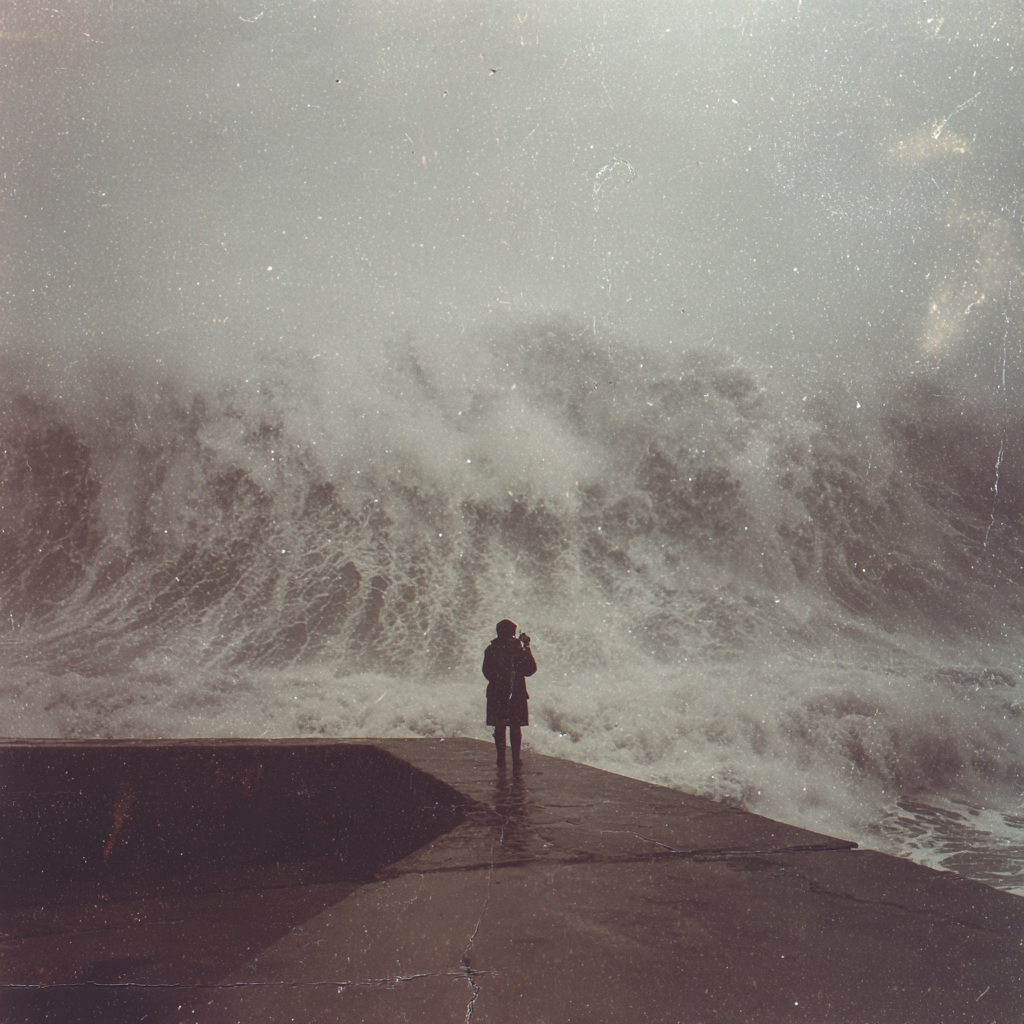
    The sea
    was wild.

    I stood on the prom,
    confused
    at what I was looking at.

    Then I realised:

    the sea wall
    was made of glass,
    holding back the sea
    from consuming
    the land.

    My camera
    had fallen into the water
    somewhere—

    but it had been returned
    onto the top of the sea wall.

    I tried
    to take photos
    with it.

    I cleaned
    the wet lens.

    A sunburned ex-boyfriend
    stood nearby,
    chest on show,
    trying
    to flirt with me.

    I pondered
    the benefit
    of protecting the land.

    I understood
    it was inhabited—

    but isn’t it just evolution
    to let things
    change?

    The Meaning

    shared space
    Another borrowed place. I’m on the move—again. But this time? I’m not cleaning. I’m letting go.

    late arrival, wild sea
    The delay gives way to glory. It’s not just beautiful—it’s threatening to consume everything. The sea is vast, wild, and held back by something thin and artificial.

    glass sea wall
    This is a fragile defence against overwhelming emotions or truths. And I’m there trying to understand my role in the protection, or the surrender to the inevitable.

    the camera lost and returned
    I lost my tool for witnessing and the sea/my emotional unconscious gave it back. But it’s blurry, the lens is wet, my perspective needs cleaning.

    sunburned ex
    Here we go again! The ex representing past impulses—all while I’m mid-epiphany.

    the evolution question
    I’m questioning the validity of trying to protect anything at all. The land is meaningful, but is resistance to change even reasonable? This is my psyche trying to reconcile grief, detachment, collapse, and transformation.

    What Lingers…

    What if perspective doesn’t need replacing, only cleaning?

    What if evolution isn’t in protection, but in the willingness to let something go?


    Marginalia

    This dream feels like a continuation of the questioning in This Path Used To Be Shared—how I’ve held space, even lineage, with others.

    But now, there’s a shift: I’m no longer trying to disappear like The Considerate Ghost. I’m ready to move on. Ready to pass the baton of “impact” to someone else.

    And maybe for the first time, I’m starting to believe that what I’m passing on doesn’t need to be sanitised.

    Of all my dreams, this one’s questions linger the most in waking life:

    Do I maintain the status quo, or let everything be washed away in the current of natural evolution?

    And when it comes to energetic lineage—

    Isn’t there a difference between burying something and letting it be washed away?

    One is shame.
    The other is surrender.
  • The Body in the Greenhouse

    The Body in the Greenhouse

    The Dream

    I and a friend
    had escaped
    from where we lived.

    We told the police
    there was a body
    buried
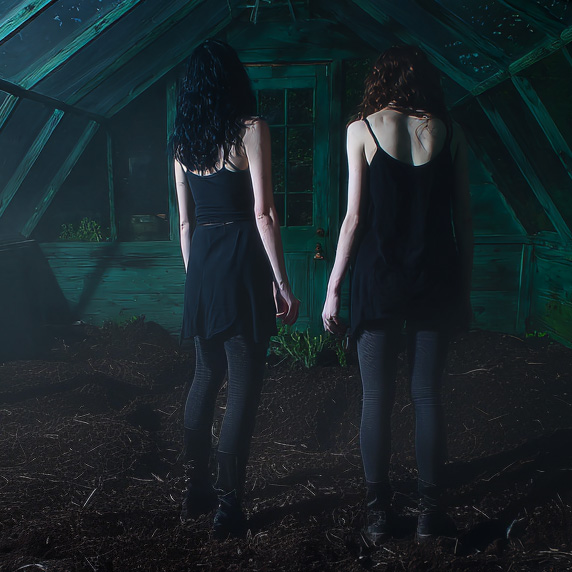
    in my greenhouse.

    The victim
    was our flatmate’s.

    For some reason,
    I felt
    I had something
    to do with it.

    The Meaning

    the greenhouse
    The greenhouse is typically a space of growth, cultivation, healing. Something has been hidden under my growth work.

    the flatmate
    The flatmate is another version or aspect of me.

    the escape
    I’m finally telling someone about something long buried.

    responsibility
    The subconscious asks: “What have you tolerated too long? What have you known and stayed quiet about?”

    What Lingers…

    What if growth has been quietly wrapping itself around what was never meant to stay?

    What if unearthing isn’t destruction, but the first honest act of healing?


    Marginalia

    I’d recently rekindled my ancestry research after dreaming about my great-grandmother, Cleopatra. But by this point, I’d shelved it again—worried I was just procrastinating with side quests.

    Then came this dream.

    Literal bodies, buried beneath the space where we grow our nourishment.

    A week later, I dreamt of The House That Contains Everything.

    Another nudge.

    There’s more to know.

  • The Considerate Ghost

    The Considerate Ghost

    The Dream

    I had been staying
    in someone’s house.

    They were returning
    soon.

    I was cleaning up
    for their arrival.

    I was
    frantic.

    Changing beds,
    tidying everything.

    I wanted it
    to be
    spick and span.

    The Meaning

    occupying space
    I’m occupying space that isn’t fully mine. Temporarily. Carefully. This a recurring theme for me: negotiating borrowed spaces. This isn’t just a house—it’s a metaphor for my role in someone else’s life or system.

    over-cleaning
    I’m not just tidying. I’m atoning. Preemptively trying to eliminate guilt, judgment, or perceived messiness before the owners even walk through the door. This is emotional hyper-vigilance dressed in dusting gloves.

    erasure
    I’m trying to leave no trace of my presence. Even though I’ve been here and lived here. I’m trying to disappear cleanly, like a considerate ghost.

    What Lingers…

    What if presence didn’t need to be minimised, only inhabited?

    What if disappearing neatly is just another way of asking for forgiveness without being heard?


    Marginalia

    Whether in real life, dreams, or under celestial influence, I’m beginning to understand the impact of presence in someone else’s life.

    My children, my partners, my nieces and nephews—the responsibility for the energetic and physical mess I leave in someone else’s lap is starting to land, especially as I consider the mess left in mine by others. Some of whom I’ve never even known.

  • The Wind Wasn’t Even That Bad

    The Wind Wasn’t Even That Bad

    The Dream

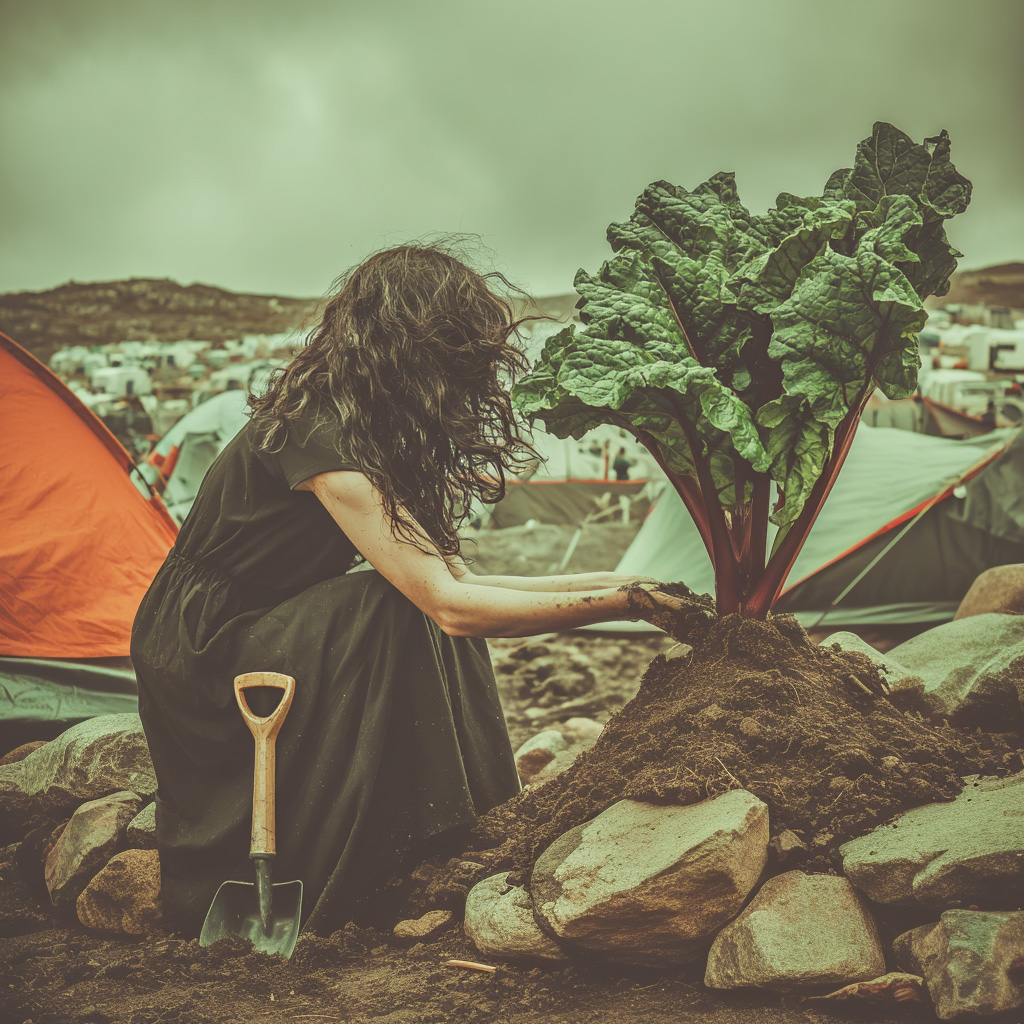
    A campsite.
    I wasn’t happy
    with the layout of my pitch.

    It was windy.

    I’m trying to decide
    where to plant
    my herbs.

    I wonder—
    where to plant
    the rhubarb.

    Meanwhile,
    the wind is getting choppy,

    and the cats
    have come home
    to be looked after—

    even though the weather
    wasn’t really
    that bad.

    The Meaning

    the campsite
    I’m not settled and I’m not happy, but even here, I want things in their right place. It’s not about escape—it’s about temporary order in a shifting life.
    Even in impermanence, I crave structure. That’s not control—it’s care.

    wind
    Choppy, unpredictable energy. Not quite a storm, but enough to knock things loose. I’m impacted by forces that don’t look like a crisis—but still demand my energy, my attention, my pre-emptive problem-solving. This is low-grade overwhelm that wears you down, not blows you over.

    herbs
    My toolkit: intuitive tending, healing, symbolic nourishment.
    But even here—on uncertain ground and under pressure—I’m still trying to cultivate something. This is me practising steadiness, not fantasy. I’m gardening through it.

    rhubarb
    Rhubarb is powerful—but not flexible. It needs proper placement.
    Too big to ignore, too valuable to dismiss.

    cats returning home
    Survival instincts showing up for shelter. Soft, skittish, responsive. My inner dependents—those parts of me that don’t wait for crisis, but move early.

    And I notice: it’s not even that bad. That’s me realising I’ve lived so long anticipating storms, I don’t trust calm. Again, just like I explore in the The sea liner and tsunami maybe it’s time to stop bracing for something that doesn’t always come.

    What Lingers…

    What if cultivating calm isn’t a weakness, but a wisdom learned?

    What if the storm never comes—but there’s a part of self that needs care anyway?


    Marginalia

    The circumstances around this dream reflect my sense of being untethered. I’ve just left one school and haven’t yet started the next—stuck in limbo until September. And it shows. My subconscious is, quite literally, trying to plant rhubarb in a windy campsite.

    There’s a kind of chaotic tenderness in that image: Maybe the rhubarb is just my body’s way of asking, “Is it safe to digest now? Can we let go?”

  • How to Survive a Storm and Still Talk Shit

    How to Survive a Storm and Still Talk Shit

    The Dream

    A sea liner—
    a group of women with me.
    The captain struggled
    to steer the ship
    through a storm.

    The women—
    they wanted to lay mattresses
    on the floor,
    to soften our fall.

    I persuaded them not to—
    the mattresses
    would make us
    more unbalanced.

    I suggested: clear the room.
    When the ship loses control,
    at least we won’t fall
    on broken glass.

    On land.
    The UK coast, somewhere.
    Cold.
    Sharp.

    I saw a penguin
    on the hill—
    I knew:
    this was a bad sign.

    A scream behind me:
    Run!

    I ascended the hill,
    up a narrow,
    steep,
    slippy,
    snowy path.

    A tsunami approached.
    Something else too—
    a wild animal
    I never saw,
    but I knew
    was there.

    Later, at a friend’s house,
    before going out
    for the night.

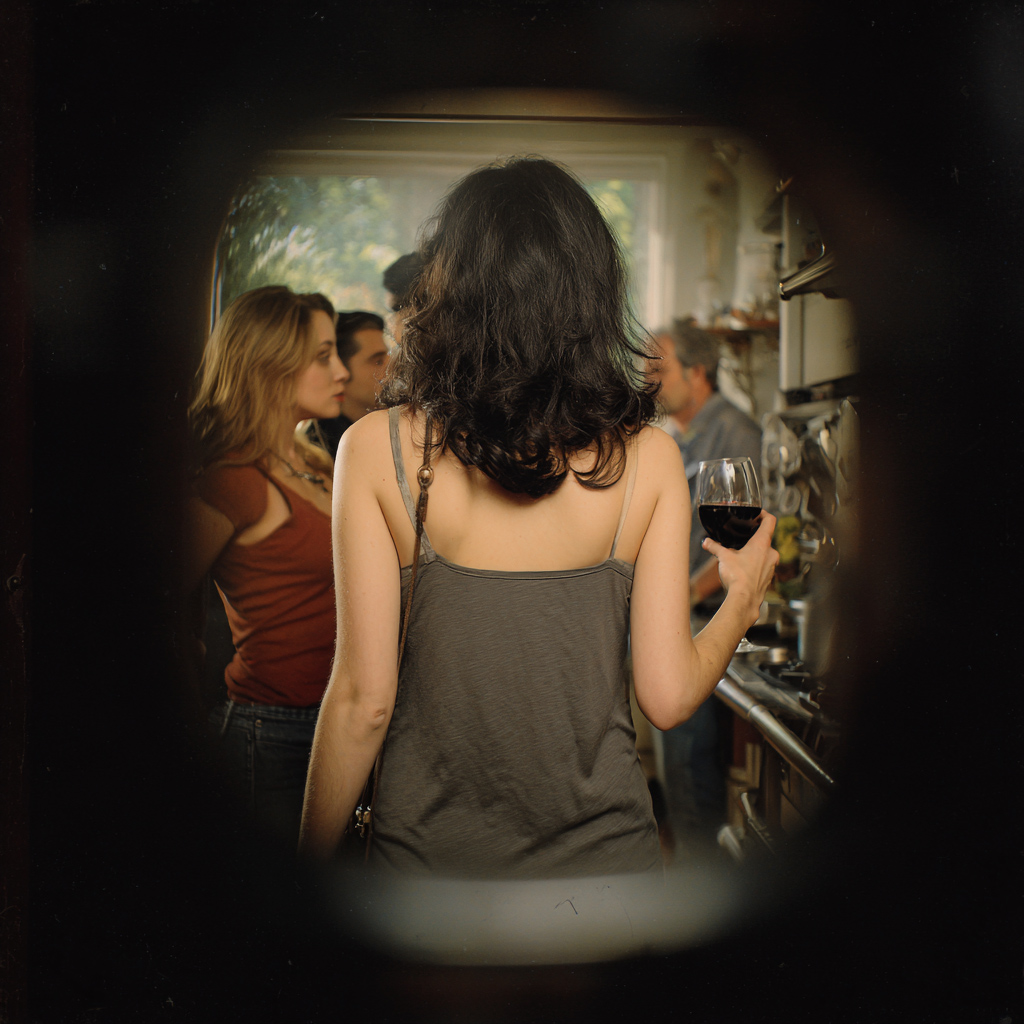
    I poured a glass of wine.
    I smoked a cigarette.
    (I haven’t smoked in ten years.)

    My bestie complained
    about the dog
    bringing ‘field poo’
    into the house.
    (She meant mud.)

    I was talking,
    enjoying good company.
    I stood up and said:
    “I have to get ready,
    or we’ll never get out tonight.”

    I explained:
    “Once you change
    the way you see the field poo,
    you’ll feel differently.”

    “It’s not field poo.
    It’s the sustenance of life.
    It’s alive.
    It feeds us.
    Everything comes from it.
    Everything
    goes back
    to it.”

    The Meaning

    the sea liner and stormy sea
    A group of women = my school community and the instability that surrounds it. The mattress? More imbalance disguised as cushioning. For me, I insist on practical, proactive safety measures. Let’s not get cut by the glass that will inevitably smash. This reflects how I face chaos: instead of pretending I can soften the impact, I tidy my emotional room instead.

    the penguin and the tsunami
    A penguin? On a UK hillside? Even in the snow, this bird is out of place. The avian equivalent to an elephant in the room. And the voice behind me? My subconscious knowing there’s a reason to run. I don’t go side ways, I go up the steep hill, the hardest but safest route away from the danger. The tsunami? Overwhelming emotions. The wild animal? Anxiety, the always-present invisible stalker.

    wine, cigarettes, and mud poo philosophy
    Back on dry land: wine, friends and old bad habits. I return to the comforting ritual of “getting ready,” but with a TED Talk to my bestie on how actual shit is a life source.

    I’m full circle in this dream. I’ve weathered the storm. Ran hell for leather away from my anxiety, uncomfortable emotions and finally relaxed with a glass of wine and a fag whilst recounting that ‘shit’ is a matter of how you frame it.

    What Lingers…

    What if survival isn’t the end, but the beginning of something softer?

    What would it look like to stop bracing for impact and start making space to live?


    Marginalia

    A day or two before this dream, I woke with a sudden memory of yarrow, which prompted me to start taking it. This was the first dream I had after drinking yarrow tea—just days after leaving school—and clearly, my brain was trying to process what had happened. This dream marks the beginning of my log.

  • When Others Drive Over Your Feet Without Looking

    When Others Drive Over Your Feet Without Looking

    A gentle descent into emotional gridlock.

    I pulled in.
    Waited, patiently.

    The car park was small—
    cramped, and full.

    Drivers considered their options.
    Eyes: nervous,
    expectant.

    Time stretched
    like gum.

    I had no time to move
    as the truck reversed.

    Crunch.

    My poor little car recoiled.
    We exchanged details.
    They apologised.

    “It’s OK.
    Accidents happen,”
    I said.

    Exactly three weeks later,
    the same thing happened again.

    She’d been panicked—
    spooked by a road rager
    on our tiny country road.

    “My God!
    You’re the second to do this,”
    I said.

    “I’m so sorry,”
    she said.

    As I pulled in, shaken,
    I damaged the other side of my car.

    And that’s when I lost it.

    Fuuuuuuck!

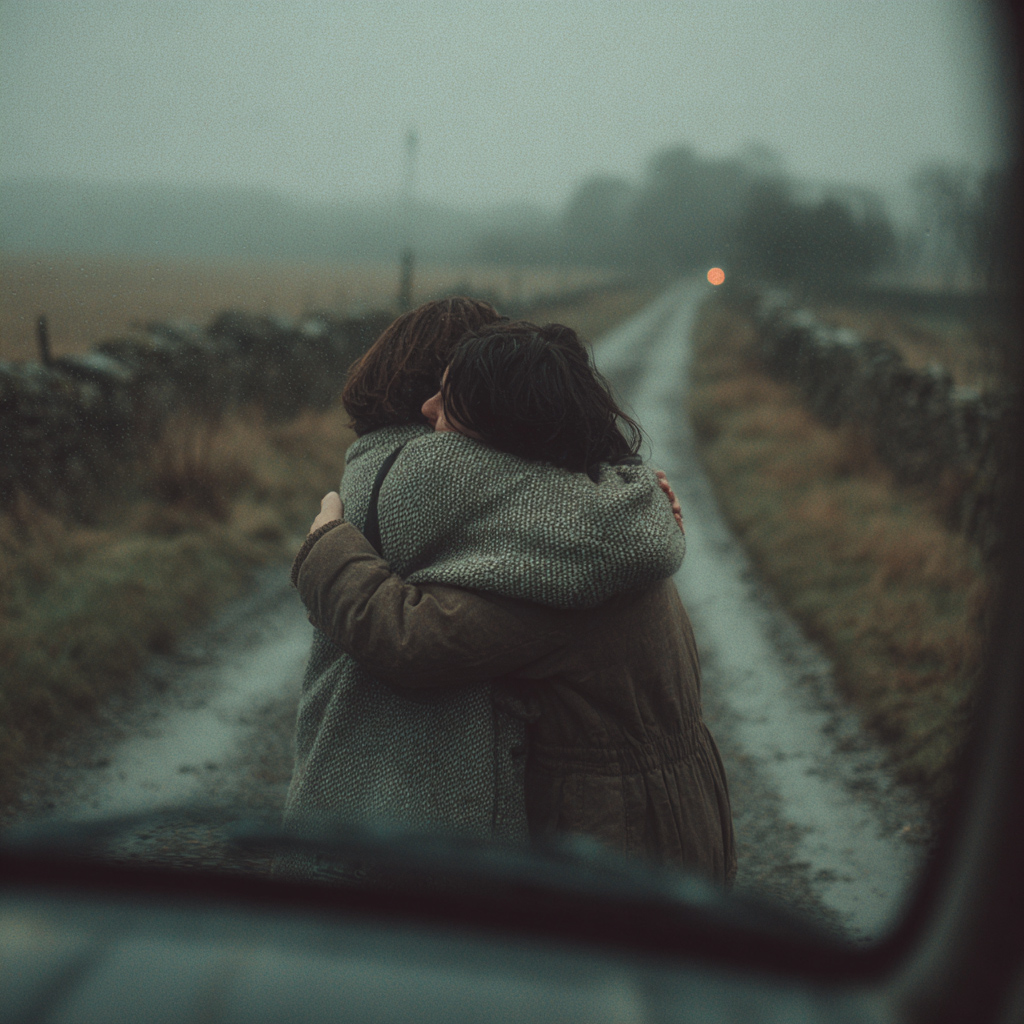
    “Do you need a hug?”
    she asked.

    And there we were—
    two strangers,
    just…
    holding on.

    Later,
    we both texted each other.

    Are you OK?
    we both asked.

    I apologised for my behaviour—
    though I guess
    I’m just tired

    of people reversing into me
    whilst I try to get on—

    with my life.


    Marginalia

    At the time of the first accident, I’d made a mistake on a client job. The client had been understanding, and so I tried to respond similarly to those who had reversed into me. But the bigger picture was harder to ignore: I was just trying to get on with my life, and other people’s dramas kept crashing into me—literally.

    There aren’t many whispers louder than a car crash, and I had two, exactly three weeks apart. It felt like the universe wasn’t so much sending messages as it was driving them straight into me.

    As part of a bigger story, both crashes happened just before I found out my herbal school was going ‘independent.’ By the time I unpacked that word, I was already in emotional gridlock.  You can read more about that in Dandelion Tears.

  • Jimmy | Residual Current

    Jimmy | Residual Current

    I’m asthmatic, I declared.
    The GP raised a brow.
    He tested, then explained,
    “No. You’re having panic attacks.”

    I didn’t understand.
    They came at night,
    when I was relaxed—
    not when I was anxious.
    I was twenty-one when they started.
    They’ve never left.

    Twenty years later,
    I explained to my therapist
    (because we all need therapy, right?).
    I panic after the event—
    shame for what I’ve said,
    what I’ve done.

    And it feels like an electric shock.
    Like being plugged into the mains.
    I gasp—
    just one breath of air.

    “Any family history of electric shock therapy?”
    she asked—casually, curiously.
    “I’m not sure,” I said.
    “I’ll find out.”

    Jimmy was my father’s uncle.
    Twenty-one, just a boy.
    A sailor in the merchant navy,
    on his way home.

    His family wait at the docks.
    But Jimmy doesn’t appear.
    He’s been badly, badly beaten,
    and taken into police care.

    Jimmy never came home.
    He was traumatised by the event—
    admitted to a psychiatric hospital.
    They tried to rehabilitate him,
    but he would always require full care.
    My grandfather couldn’t take him.
    No one could.
    So Jimmy was never released.

    Forty years later,
    my dad found him—
    institutionalised,
    lost in the system for years.

    Jimmy spoke very little,
    and only repeated:
    “You better watch yourself…
    the Newcastle lads,”
    he said when they met.

    I knew little of Jimmy,
    but my sister knew more.
    I asked her:
    “Did Jimmy receive electrotherapy?”
    “Almost certainly,” she said.
    “His records were lost—
    but they said
    he’d had all the top treatment.”

    Then she paused.
    “I never knew what to make of that.”

    I thought long and hard about Jimmy.
    What had he seen?
    What had he done?
    “I think he may have been gay,”
    I said.

    The merchant navy—
    a decoy of the time.

    My aunt,
    a medium,
    said the same
    when she channelled him—
    twenty years ago.


    Marginalia

    Jimmy was institutionalised at the same age I started having panic attacks: twenty-one. They’ve never fully left me, and now I wonder—are they mine, or his?

    When I began using AI in my ancestral research, I learned more about Jimmy through his natal chart. It helped me understand why he may have been institutionalised, and how he might have coped.

    I don’t take everything AI says as gospel, but it gave me a sense of him—and how his experience might echo in my own chart.

    Ancestral trauma wasn’t something I’d ever considered until my therapist asked about it. I never expected astrology or AI to help, but out of curiosity, I uploaded my chart to see if it might offer direction. At the time, I was just trying to make sense of it all.