Tag: poetry

Fragments and frequencies. Where rhythm meets revelation. This is the place for verses — language distilled, raw, and resonant. Not always tidy, never trivial.

  • Valerian | The Morrígans tea

    Valerian | The Morrígans tea

    Through the gate—
    leaves rot underfoot.
    Damp roses
    and decay hang.

    Apple pie,
    custard,
    toasted almonds
    and spice.

    This is Samhain
    liminal space.
    A horse-drawn carriage
    of death
    follows a bountiful
    harvest.

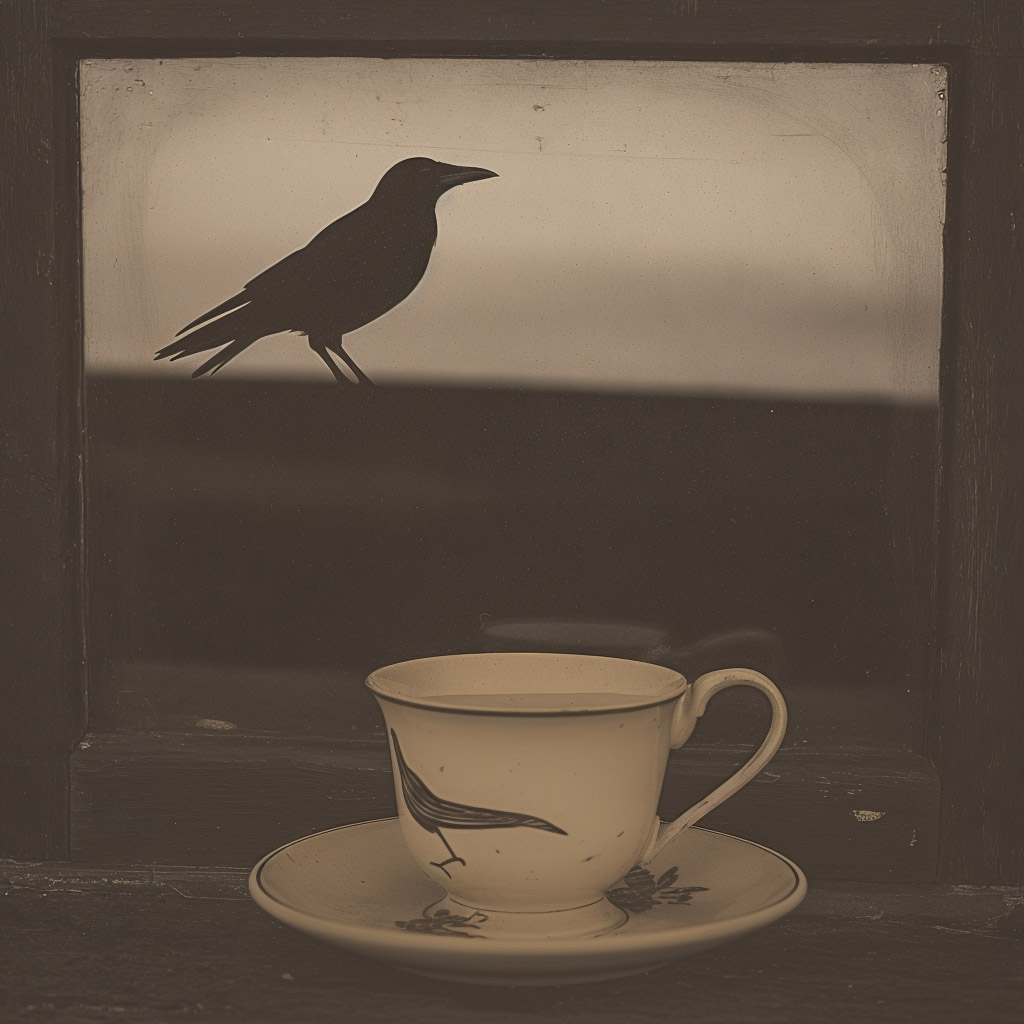
    The crow flies,
    a tinnitus whisper
    at the edge
    of sleep.

    The Morrígan
    invites.

    A predictor of futures,
    an agent of change.
    She lights the lamp.
    Lifts the veil.
    She is fate.

    Fear has left now.
    Only peace remains.

  • What I Carry Isn’t All Mine

    What I Carry Isn’t All Mine

    I’m listening.
    Anxious, attentive—
    others’ inner lives
    burrow into
    my marrow.

    Am I cursed with
    eyes for the unspoken
    and a vulture’s
    sense for moods,
    yet I fail once again
    to be understood?

    The rage I carry
    isn’t all mine after all,
    but the burden
    of those left behind—
    unexpressed
    and remorseful.

    I’ll bloodlet from
    the wounds
    your soul wants to hide.
    I’ll set free the poison
    you bury underneath.

    I prefer truth
    over comfort.
    It hurts—
    I know.
    But it’s what I do.

    In dreams,
    I return—
    to spirit,
    to bones.

    I come home.
    I remember.

    I chose this time:
    to set down the things
    that don’t belong to me—
    to us.

    Things that don’t want to,
    and shouldn’t,
    carry on.

    Marginalia

    I wrote this after I’d uploaded my natal chart into AI and had started digging into what the chart had to say about me. This piece of writing makes me cringe more than anything I’ve written to date. I think it’s because of how sometimes I can ask such pointed questions, often without thinking about how I’ll impact the other person. Bloodletting someone’s inner world without permission isn’t something to be proud of. Also, it’s a bit melodramatic, which isn’t unlike me (The picture tracks!). I’ve considered taking the poem down but I feel it’s probably my turn to feel exposed for a change!

  • Baked In

    Baked In

    Toned, tanned, and virile.
    I shouldn’t be curious—
    but I am.

    His beau,
    a beauty,
    at least ten years
    his senior—
    this I know.

    Their proximity,
    aflame.
    A new relationship,
    I’m sure.

    Her teen daughter,
    an apparition—
    disinterested,
    yet she endures.

    I’m supposed
    to lament her—
    this, my culture demands.

    But instead
    I salute her defiance,
    while my baked-in hypocrisy
    scalds.

    Will I ever
    scrape my pan clean?
    My eyes sting
    with its fetid stench.

    Meanwhile, I wonder—
    is he well-behaved?
    Does he allow forgiveness
    for millennia
    of harm?

    Subconsciously,
    she mirrors
    my position
    in her chair.

    The cords of sisterhood—
    engineered to be,
    and to remain,
    threadbare.

    My guilty interest wraps
    around their air like fog.

    Why shouldn’t she enjoy
    the last of her bodily wealth,
    as the sunset of
    my own populative use
    draws to its final ebb?

    To her, a toast—
    and to all those women
    who courageously scalpel
    themselves into being,

    a life
    the present hasn’t yet woven
    and the past
    viciously disallowed.

  • Amphitrite Rides the Hippocamp

    Amphitrite Rides the Hippocamp

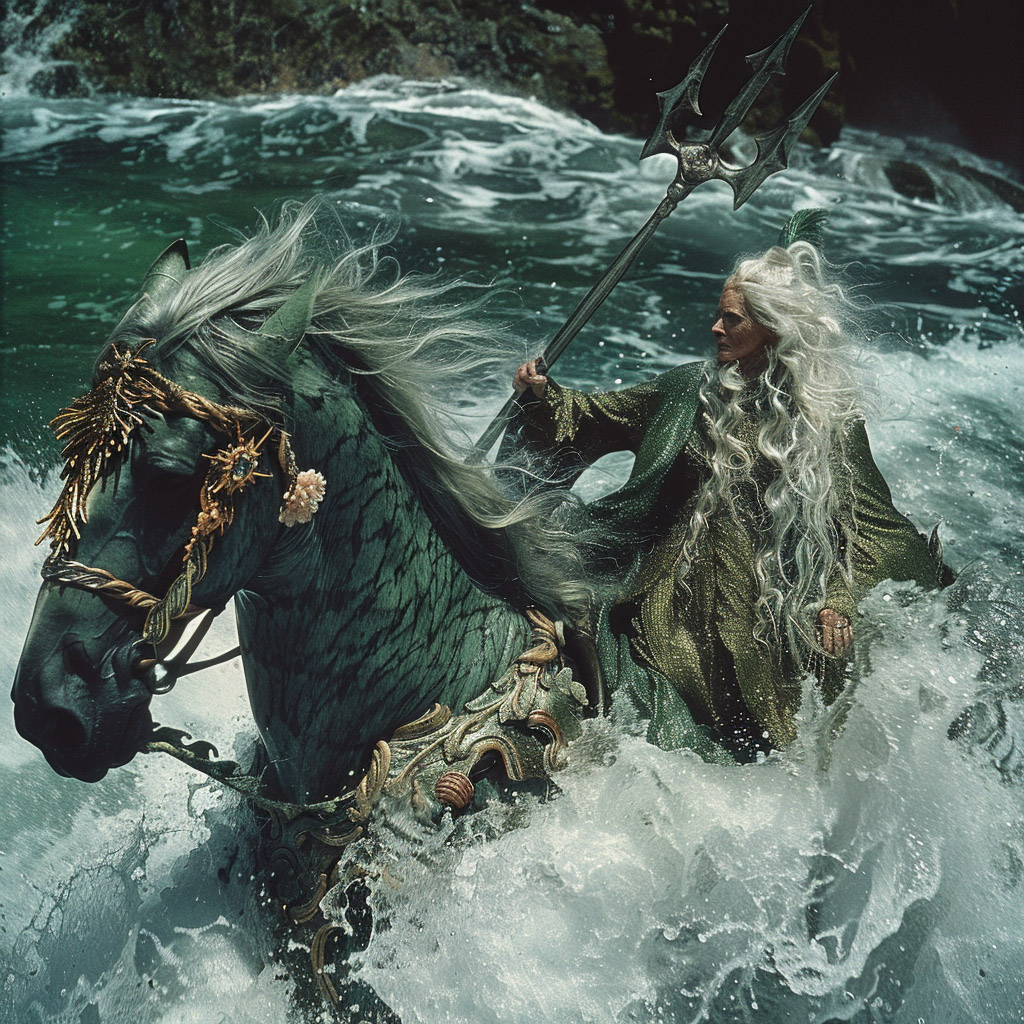
    Amphitrite rides the hippocamp.
    Her face—
    emotionless.
    Her spirit—
    silent and still.

    She is well-versed in battle.
    Her sea-beaten face shows
    she has slept with happiness,
    as she has worn sorrow.

    Her hippocamp moves
    between her thighs
    with purpose.
    His intent is smooth
    beneath the water.

    He carries his maiden
    with loyal
    and tender care.

    She grasps, gingerly,
    to his back.
    It’s been a while.

    Is it uncertainty,
    or is it inexperience?
    I cannot tell—

    as the two
    octogenarians
    glide softly across
    the hotel pool.

  • Don’t Look Away

    Don’t Look Away

    Your generation
    doesn’t excuse
    your racism.

    Your ignorance
    doesn’t get
    you a pass.

    “Everyone was
    like that”
    is not a
    reason.

    Your words
    and attitude
    still hold weight
    now.

    It is not,
    nor will it ever
    be
    OK.

    It’s your job
    and mine
    to gouge it
    out.

    Because we
    didn’t stop
    being racist —
    we just
    got better
    at covering
    it
    up.

    If you want
    to do better,
    then do
    better.

    I will not
    shield your
    fragile soul —

    like you haven’t
    shielded others
    from yours.

    And I expect
    the same
    of you
    for me.

    We own
    the knife
    we wield.


    Marginalia

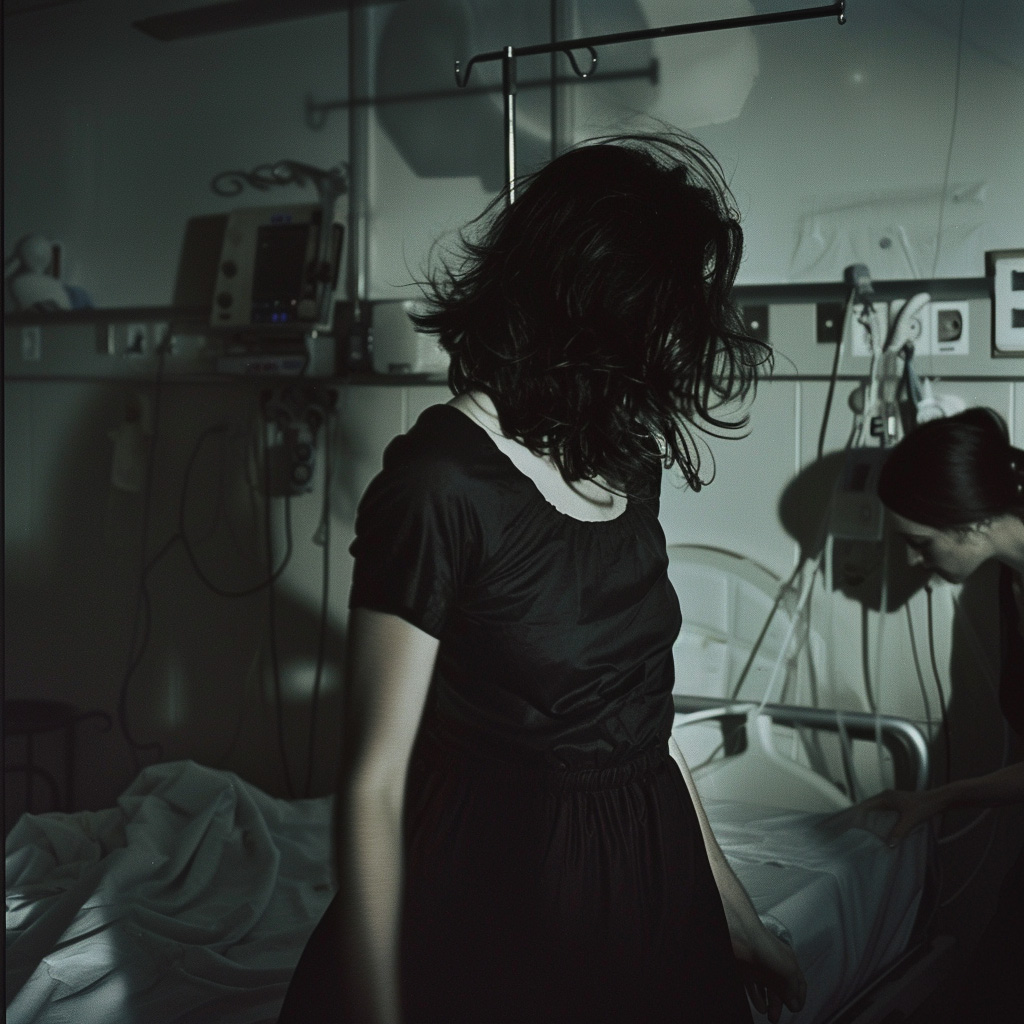
    This reflects an argument I had with my sister at our father’s hospital bedside.
    I’m tired of the “not all people” refrain, the excuses we make for ourselves and others.
    Let’s do our dirty work.
    Reach into our rot.
    Get comfortable.
    Let’s not
    look
    away.

    I hate racism, and how it’s woven into society.
    I stay vigilant for its insidious appearances—and when I see them, I name them.
    I stay with the discomfort,
    refuse to look away.

    I believe racism played a part in the erasure of my mother’s lineage.
    I explore this in It Began with a Name—that history still lives in me.
    Witnessing and naming it is my reckoning.

  • Monster and the Doe

    Monster and the Doe

    The train is packed.
    6:30 p.m., to be exact.
    Commuters disembark.

    A seat at a table,
    I spy.
    I sit.

    The girl—she’s young.
    A rail card at the back of her phone.
    Her eyelashes thick with glue.
    Like a baby doll,
    with eyes of a doe.

    A bottle of Coke—
    she sniffs.
    She’s tired.

    A festival, perhaps?
    But the Crocs on her feet say no.

    The man next to her—good-looking.
    Much older.
    Maybe her young dad.

    Greying hair, a silver fox.
    A can of Monster in hand.

    His eyes barely open—
    they’re red.
    He coughs,
    and reaches gently
    for her leg.

    They play-fight for a moment.
    His remark:
    “You’re being weird today.”

    She rests her head
    in her arms
    on the table.

    He closes his eyes,
    unfazed.

    Her sniffing is soft and gentle—
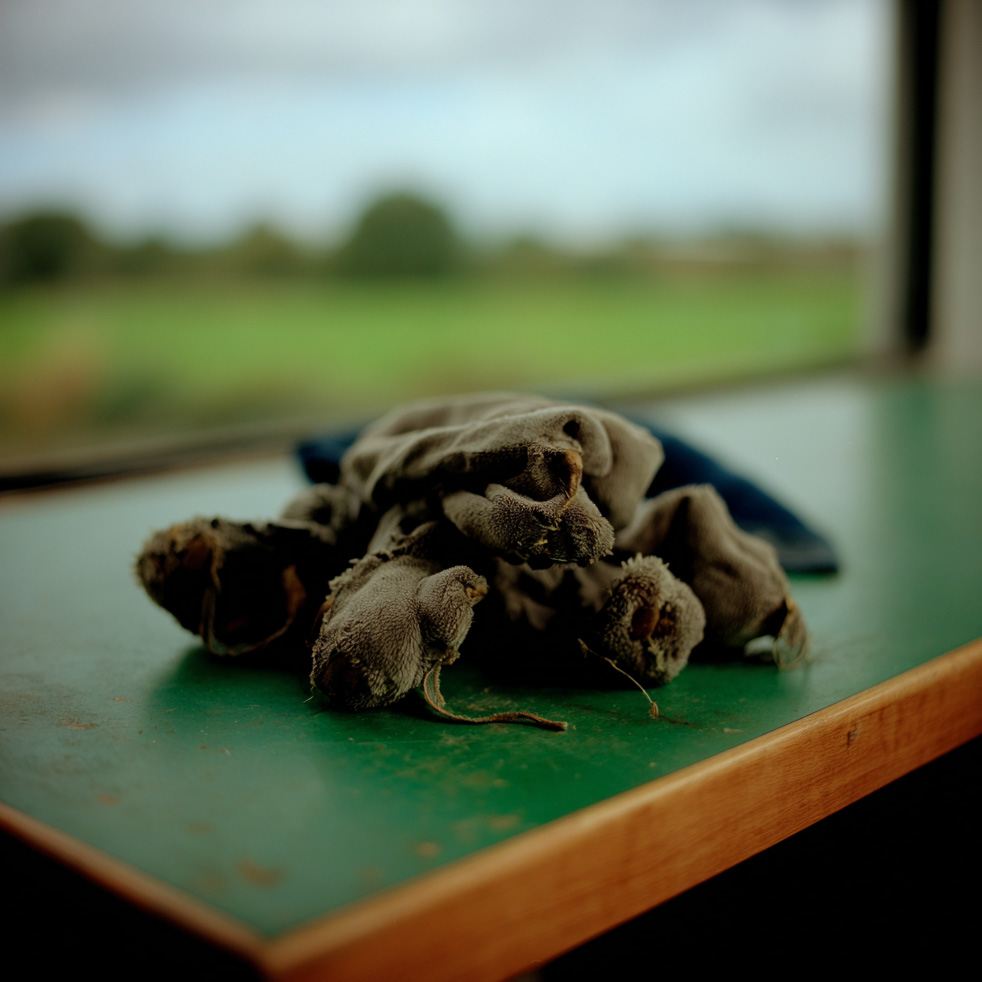
    as is the ‘blankie’ she holds.
    Worn down to its innards.
    Grey, battered, and old.

    Her eyes—wet.
    His eyes—closed.

    Between apathy and sleep,
    he reaches out quietly
    to her.

    But she shirks him.

    He sends a text.
    She throws down her phone.

    The phone rings.
    Caller ID: Dad.

    He clears off.
    “See ya around.”

    She answers:
    “My phone was in my bag.”
    “I’ll be home soon.”

    Power and control.
    Naivete and innocence.
    A good match—
    they always make.


    Marginalia

    My great-grandmother was 16
    when she had her first child.
    Her partner — my great-grandfather — was 48.

    I explore these dynamics more fully in It Began With a Name.
  • Your Chamomile Is Not My Mugwort

    Your Chamomile Is Not My Mugwort

    Matricaria,
    Artemisia,
    the mother—
    and the aunt.

    Auntie Mugwort
    won’t look away
    or roast
    when you’ve been bad.

    “Come, child,
    take a chair.”
    In front of the fire
    she brews.

    She strokes the hair
    out from your eyes
    and makes you feel
    at ease.

    “Rest now,” she says.

    A biscuit
    she will offer.
    Wheaty, sweet—
    it almost tastes
    too good.

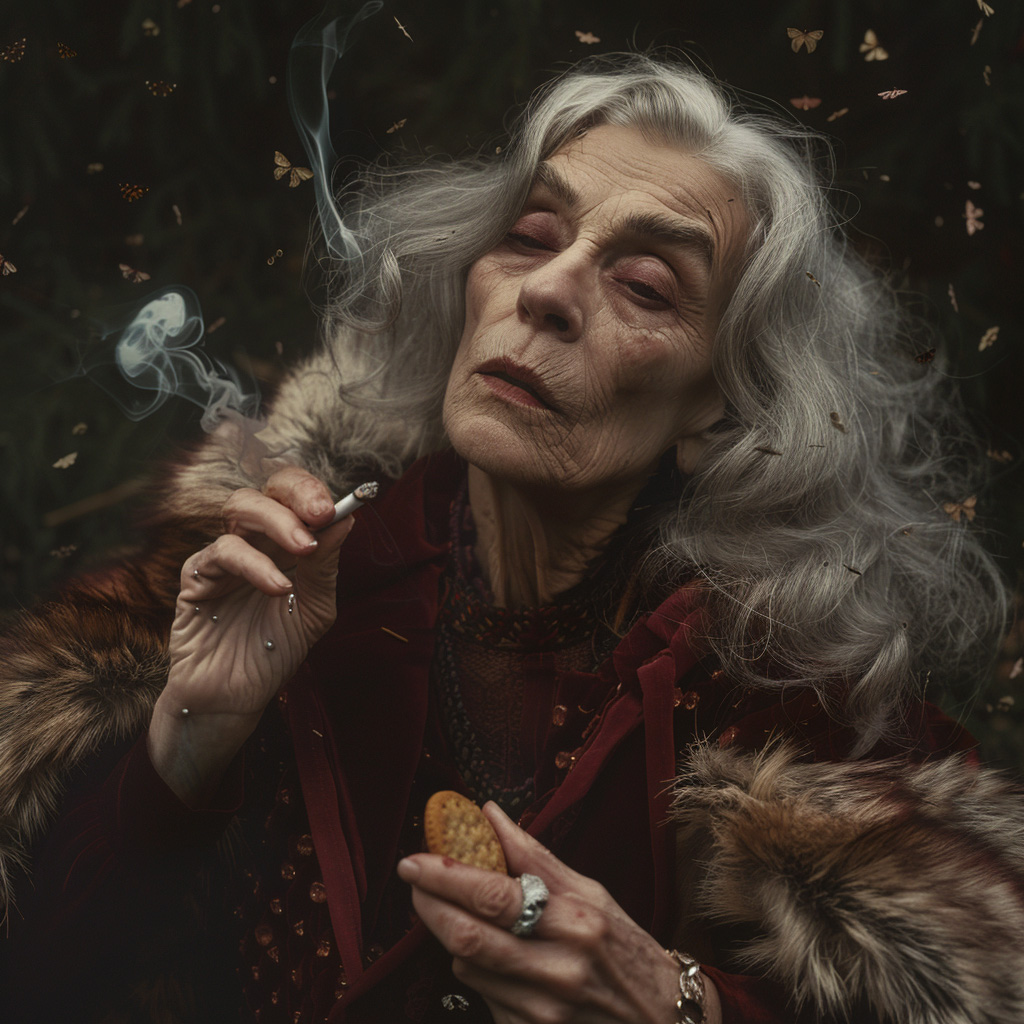
    She’s seen things—
    her silver hair,
    burgundy dress,
    moths in her
    wolf-fur coat.

    Holding,
    sighing,
    breathing,
    stroking,
    slowing—
    what
    don’t you know?

    Her sing-song voice—
    in your mind
    you’re drifting,
    drifting now,

    as she slips out—
    for a smoke.